Black Mould in UK Homes: Health Risks & Removal Guide
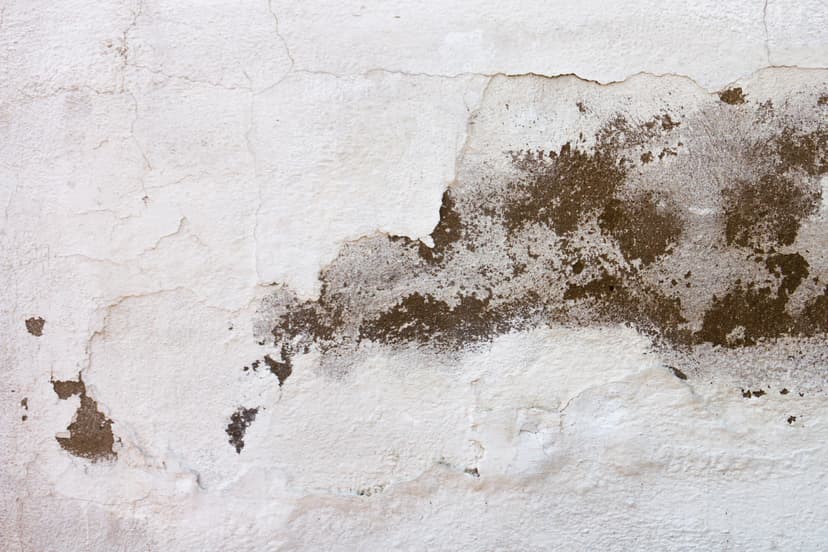
Black mould (Stachybotrys chartarum) is one of the most concerning issues facing UK homeowners. This comprehensive guide covers identification, health risks, safe removal, and prevention strategies.
What is Black Mould?
Black mould is a type of fungus that thrives in damp, humid conditions. In the UK's climate, it's particularly common, affecting approximately 1 in 5 homes.
Why it's a problem:
•Produces toxic spores that become airborne
•Damages property surfaces and structures
•Causes serious health issues
•Reduces property value
•Difficult to remove once established
Where it grows:
•Bathrooms (showers, tiles, grout)
•Kitchens (around sinks, under cupboards)
•Bedrooms (behind furniture, around windows)
•Basements and lofts
•Areas with poor ventilation
•Cold walls with condensation
Identifying Black Mould
Visual Characteristics
•Color: Dark black or dark green
•Texture: Slimy when wet, powdery when dry
•Pattern: Often circular or spotty clusters
•Location: Usually in damp, dark corners
Not All Black Mould is "Black Mould"
•Mildew: Surface mould, easier to clean
•Alternaria: Black mould, less toxic
•Stachybotrys: True "black mould," most dangerous
•Aspergillus: Can appear black, also harmful
If you're unsure what type you have, treat it as potentially dangerous.
Health Risks
Black mould releases mycotoxins that can cause serious health problems, especially with prolonged exposure.
Immediate Symptoms
•Respiratory issues: Coughing, wheezing, shortness of breath
•Nasal congestion: Blocked or runny nose
•Eye irritation: Red, watery, itchy eyes
•Skin reactions: Rashes, irritation, dermatitis
•Throat irritation: Sore throat, hoarseness
•Headaches: Persistent, unexplained headaches
Long-Term Health Effects
•Chronic respiratory conditions: Including asthma development
•Allergic reactions: Sensitivity increases over time
•Immune system suppression: Reduced ability to fight infections
•Neurological symptoms: Memory problems, mood changes
•Chronic fatigue: Persistent tiredness and weakness
High-Risk Groups
Those most vulnerable:
•Babies and children - Developing immune systems
•Elderly people - Weakened immunity
•Pregnant women - Risk to developing fetus
•Asthma sufferers - Triggers attacks
•Immunocompromised - Serious complications possible
When to Remove It Yourself
You can handle DIY removal if:
•Area is smaller than 1 square meter
•Mould is on non-porous surfaces (tiles, glass)
•You have no health conditions
•It's surface mould, not structural
•You have proper protective equipment
DIY removal cost: £20-£50 for supplies
When to Call Professionals
Contact specialists immediately if:
•Mould covers more than 1m² (about 3x3 feet)
•It's on porous surfaces (wood, drywall, fabric)
•It returns repeatedly after cleaning
•You have health conditions or are pregnant
•There's a strong musty smell
•Structural damp issues present
•Mould is in HVAC systems
Professional removal cost: £200-£2,000 depending on extent
Safe DIY Removal Guide
What You Need
Safety Equipment:
•N95 or N99 face mask (not a surgical mask!)
•Rubber gloves
•Safety goggles
•Old clothes you can throw away
•Plastic bags for disposal
Cleaning Supplies:
•White vinegar (natural option)
•Bleach solution (1 part bleach to 10 parts water)
•Fungicidal wash (from hardware store)
•Spray bottles
•Scrubbing brushes
•Cloths or paper towels
•Dehumidifier
Step-by-Step Removal
1. Prepare the Area
•Open windows for ventilation
•Close doors to contain spores
•Cover nearby items with plastic sheets
•Turn off HVAC to prevent spore spread
2. Protect Yourself
•Put on N95 mask before entering room
•Wear gloves and goggles
•Consider disposable coveralls for large areas
3. Apply Cleaning Solution
•Spray affected area generously
•Use white vinegar for mild mould
•Use diluted bleach for stubborn mould
•Let solution sit for 15 minutes
4. Scrub the Mould
•Use firm scrubbing brush
•Work from outside of patch inward
•Don't splash - causes spores to spread
•Rinse and repeat if needed
5. Dry the Area
•Wipe with clean cloths
•Use dehumidifier for 24-48 hours
•Ensure area is completely dry
•Run fan to improve air circulation
6. Dispose Safely
•Place cleaning materials in sealed plastic bags
•Dispose of immediately in outdoor bin
•Wash clothes separately on hot cycle
•Shower immediately after cleaning
What NOT to Do
•Don't: Use a vacuum - spreads spores
•Don't: Paint over mould - it will return
•Don't: Mix bleach with other cleaners (toxic fumes!)
•Don't: Ignore the cause - fix the damp issue
•Don't: Clean without protective equipment
Best Cleaning Solutions
White Vinegar (Best for Small Areas)
•Effectiveness: Good for most surface mould
•Safety: Non-toxic, safe around kids/pets
•Method: Spray undiluted, leave 1 hour, scrub
•Cost: £1-£3 per bottle
Diluted Bleach (Best for Stubborn Mould)
•Effectiveness: Kills 99% of mould spores
•Safety: Toxic - needs ventilation
•Method: 1:10 ratio, spray, wait 15 min, scrub
•Cost: £1-£2 per bottle
Fungicidal Wash (Best for Prevention)
•Effectiveness: Kills and prevents regrowth
•Safety: Follow product instructions
•Method: As per manufacturer directions
•Cost: £5-£15 per bottle
Hydrogen Peroxide (Natural Alternative)
•Effectiveness: Good for most mould
•Safety: Safer than bleach
•Method: 3% solution, spray, wait 10 min, scrub
•Cost: £3-£8 per bottle
Prevention Strategies
Control Humidity
Target: Keep indoor humidity below 60% (ideally 40-50%)
How:
•Use dehumidifiers in damp rooms
•Check humidity with a hygrometer (£10-£20)
•Dry clothes outside or use vented dryer
•Don't overload washing machine (causes poor drying)
Improve Ventilation
Essential:
•Open windows daily, especially after showering/cooking
•Use extractor fans (install if you don't have them)
•Leave internal doors open
•Consider trickle vents in windows
•Install air bricks if property is poorly ventilated
Fix Damp Issues
Common causes:
•Leaking pipes or roofs
•Blocked gutters
•Rising damp (no damp-proof course)
•Penetrating damp (damaged walls)
•Condensation (most common in UK)
Regular Cleaning
Routine:
•Wipe down bathroom tiles weekly
•Clean shower curtains monthly
•Wash bathroom mats regularly
•Check window frames for condensation
•Clean behind furniture quarterly
Heating
•Keep rooms heated to 18°C minimum
•Don't turn heating off completely in winter
•Heat rooms evenly throughout property
•Consider low-level background heating
Specific Room Advice
Bathrooms:
•Always use extractor fan when showering
•Squeegee tiles after each shower
•Keep windows open when possible
•Hang wet towels to dry elsewhere
•Clean grout with anti-mould cleaner monthly
Kitchens:
•Use extractor fan when cooking
•Cover pans when boiling
•Wipe down surfaces after cooking
•Check under sink for leaks
•Keep cupboard doors open periodically
Bedrooms:
•Pull furniture 10cm away from walls
•Open windows daily
•Don't dry clothes on radiators
•Check behind wardrobes regularly
Basements/Lofts:
•Install dehumidifier if damp
•Ensure proper ventilation
•Check for leaks regularly
•Consider damp-proof membrane
Cost of Ignoring Mould
Health costs:
•GP visits, prescriptions for respiratory issues
•Time off work due to illness
•Long-term health problems
Property costs:
•Damage to plaster, paint, wallpaper: £500-£2,000
•Structural timber damage: £2,000-£10,000
•Full mould remediation: £1,000-£5,000
•Property devaluation: 5-15%
Early action saves money!
Quick Mould Assessment
•Identify mould type
•Assess health risk level
•DIY vs professional recommendation
•Removal guidance
•Prevention tips
•Results in 2 minutes
Legal Considerations for Landlords
UK landlords must:
•Ensure properties are free from category 1 hazards (including mould)
•Respond to mould reports within reasonable time
•Fix underlying damp issues
•Provide adequate ventilation
•Can face fines up to £30,000 for non-compliance
Tenants can:
•Report to landlord in writing
•Contact Environmental Health if ignored
•Apply for rent reduction
•Claim for health impacts
When to Contact Environmental Health
If you're a tenant and:
•Landlord refuses to address mould
•Mould returns despite treatments
•You've developed health issues
•Property is severely affected
Contact your local council's Environmental Health department - service is free.
Conclusion
Black mould is a serious issue but manageable with the right approach:
1.Identify quickly - Don't ignore small patches
2.Remove safely - Use proper protection
3.Fix the cause - Address damp and ventilation
4.Prevent return - Regular maintenance
5.Know your limits - Call professionals for large areas
Your health is more important than saving money on removal costs.
This article is for informational purposes only. For severe mould infestations or if you have health concerns, always consult professionals and medical advisors.