How to Identify Damp in Your Home: 10 Warning SignsUpdated for 2025
How to Identify Damp in Your Home: 10 Warning Signs
Damp is one of the most common property issues affecting UK homes. Left untreated, it can cause structural damage, health problems, and significant repair costs. This guide will help you spot the warning signs early.
What is Damp?
Damp occurs when excess moisture accumulates in your property. In the UK's climate, damp affects approximately 1 in 5 homes. There are three main types:
1. Rising Damp
Water from the ground rises through walls via capillary action. Most common in older properties without damp-proof courses.
2. Penetrating Damp
Water enters through external walls, roofs, or windows due to structural defects or damage.
3. Condensation
The most common type. Caused by excess moisture in the air condensing on cold surfaces.
10 Warning Signs of Damp
1. Musty, Earthy Smell
One of the first indicators. If rooms smell damp even after airing, investigate further.
2. Dark Patches on Walls
Especially near skirting boards (rising damp) or ceilings (penetrating damp). Patches may feel damp to touch.
3. Peeling or Bubbling Wallpaper
Excess moisture causes wallpaper to lose adhesion and bubble away from walls.
4. Flaking or Crumbling Plaster
Damp plaster becomes soft, crumbles easily, and may have a white salt deposit (efflorescence).
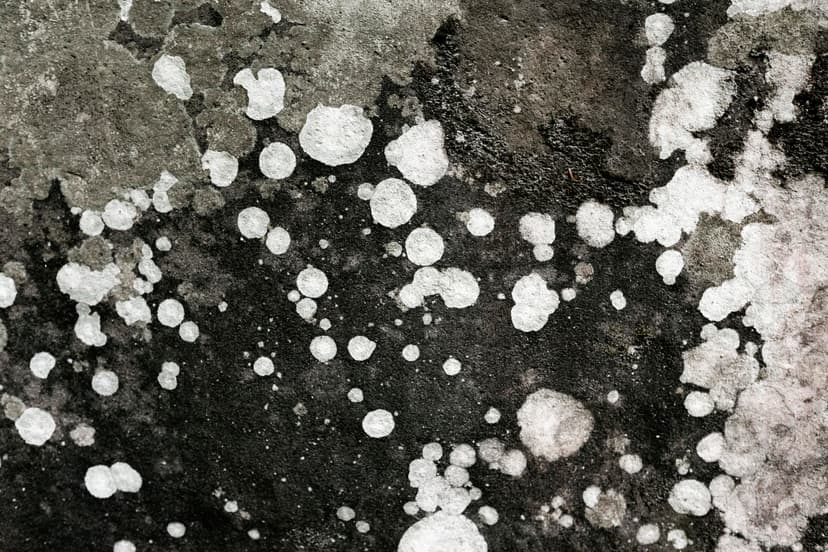
5. Black Mould Growth
Usually starts in corners, behind furniture, or around windows. Indicates persistent moisture problem.
6. Cold, Damp Walls
Walls that feel cold and damp even in dry weather. Test by placing hand flat against wall.
7. Tide Marks on Walls
Horizontal lines showing where water has risen and dried. Classic sign of rising damp.
8. Rotting Skirting Boards or Timber
Wood becomes soft, discoloured, and may crumble when pressed. Indicates long-term damp.
9. Rust Stains
Appear where metal fixtures (nails, hinges) have corroded due to moisture exposure.
10. Increased Condensation
Excessive water droplets on windows, especially in morning. Windows "stream" with water.
Health Risks of Damp
Damp environments can cause:
Children, elderly, and those with existing conditions are most at risk.
When to Act
Immediate action needed:
Professional survey recommended:
DIY Solutions vs Professional Help
You Can Handle:
Call Professionals For:
Quick Diagnosis with AI
Not sure what type of damp you have? Upload a photo to HomeCheckAI for instant analysis:
Prevention Tips
Cost of Ignoring Damp
Early detection saves thousands!
Conclusion
Damp is a serious issue but catching it early makes treatment much simpler and cheaper. If you spot any warning signs:
This article is for informational purposes only. For severe damp issues, always consult a qualified surveyor or damp specialist.
Get Instant Property Analysis
Upload a photo of your property issue and receive AI-powered diagnosis, repair guidance, and cost estimates in just 2 minutes.
Get Your £9.99 Report NowRelated Articles

Structural Cracks: When Should You Worry?
Not all cracks are dangerous. Learn which cracks need immediate attention and which are just cosmetic issues in UK properties.
Black Mould in UK Homes: Health Risks & Removal Guide
Complete guide to identifying, removing, and preventing black mould in UK properties. Protect your health and property value.

Landlord's Guide to Property Maintenance in 2025
Essential property maintenance checklist for UK landlords. Save money, keep tenants happy, and meet legal requirements.